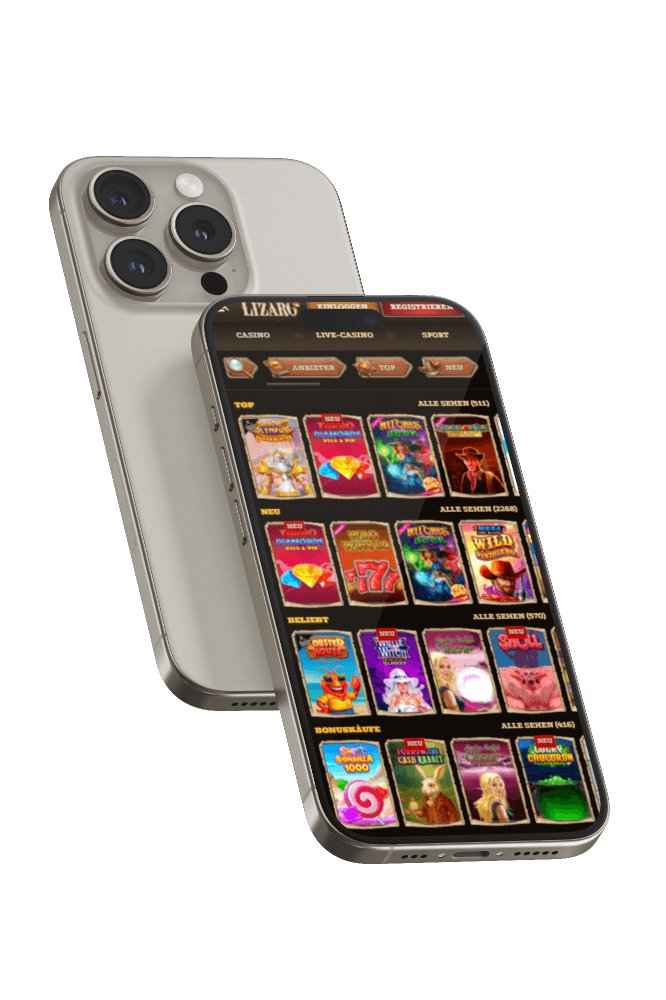


Mobile gaming today is a mix of quick, casual titles and deep, narrative‑driven experiences. By 2026, the line between the two is blurring. Developers now use cloud rendering, adaptive AI, and micro‑transaction economies to offer games that feel like a console, yet run on a phone. The result is a platform where a 15‑minute puzzle, a 3‑hour RPG, and a real‑time multiplayer match can coexist on the same device.
Trend 1: Cloud‑Based Play Without a Console
Streaming games from a data center means that a 5‑inch screen can deliver 4K graphics and 120 fps. In 2025, the first major launch of a cloud‑gaming service on Android hit 10 million users in the first month. By 2026, that number grew to 22 million, driven by the rollout of 5G in the United States and Europe. The key benefit for players is that they no longer need to buy a new phone to experience the latest AAA titles. The trade‑off? A stable internet connection is mandatory; a weak 5G signal can drop frames every 30 seconds.
Trend 2: AI‑Powered Personalization
Game engines now analyze a player’s habits in real time. If you spend more time on stealth missions, the AI will suggest side quests that emphasize stealth mechanics. In one popular action title, the recommendation engine increased user retention by 18 % over a six‑month period. This personalization works best on devices with at least 6 GB of RAM; older phones struggle to keep the AI processes running alongside the game.
Trend 3: Cross‑Platform Play and Social Layers
Cross‑play between iOS, Android, and PC has become standard for multiplayer titles. A 2026 survey found that 64 % of players who use cross‑play report higher satisfaction than those who play only on one platform. The social layer—chat, guilds, and shared rewards—has grown to include voice and video overlays. However, privacy concerns have led some developers to disable voice chat by default, requiring users to opt‑in.
Trend 4: Subscription Models and Bundled Content
Monthly subscription services now offer a curated library of games plus cloud storage for saves. The most popular service in 2026 charges $9.99/month and includes over 300 titles. Subscribers report a 25 % increase in daily playtime compared to non‑subscribers. The downside is that free‑to‑play games with high‑value micro‑transactions can feel less generous when the same content is locked behind a paywall.
If you’re looking to expand your gaming experience into online casino thrills, Lizaro offers a seamless transition.
Trend 5: Sustainability and Energy Efficiency
Game developers are targeting a 15 % reduction in battery drain per session. One studio announced that its new title uses adaptive rendering, lowering resolution by 30 % when the phone’s battery falls below 20 %. This feature keeps games playable for an extra hour without charging. The limitation is that some users report a noticeable drop in visual fidelity during intense scenes.
From Mobile Fun to Broader Entertainment
These mobile innovations echo the broader shift toward on‑demand entertainment. Gamers who enjoy instant access to high‑quality experiences are now exploring other digital realms—streaming movies, virtual concerts, and interactive narratives. Many find that the same cloud infrastructure powering mobile games also supports live video streams with minimal buffering. For those curious about how gaming principles translate to other online platforms, Lizaro offers a community that bridges mobile play with broader digital engagement.
What Should You Look For?
- Stable 5G or Wi‑Fi 6 connection for cloud play.
- Device with 6 GB RAM for smooth AI personalization.
- Opt‑in voice chat if privacy is a concern.
- Check subscription terms for bundled content versus free‑to‑play.
- Monitor battery usage if playing long sessions.
Final Thought
Mobile gaming in 2026 is less about the size of the screen and more about how seamlessly a device can tap into a vast digital ecosystem. By choosing games that support cloud rendering, AI recommendations, and cross‑platform social features, players can enjoy a richer experience without upgrading hardware. The future will likely bring even tighter integration with other entertainment forms, making the line between gaming and general media increasingly fluid.
Frequently Asked Questions
What defines mobile gaming in 2026?
It blends casual, quick titles with deep, narrative‑driven experiences, powered by cloud rendering, adaptive AI, and micro‑transaction economies.
How does cloud‑based play impact device requirements?
Games stream from data centers, reducing hardware demands on phones while delivering console‑level graphics and performance.
What role do micro‑transactions play today?
They fund continuous content updates and in‑game economies, allowing developers to monetize without heavy upfront costs.
Can a single device handle diverse game types?
Yes—15‑minute puzzles, 3‑hour RPGs, and real‑time multiplayer matches coexist seamlessly on modern smartphones.